A Facility Manager’s Guide to Scheduling Sprinkler and Alarm Inspections Across the Year
If you manage a commercial building, a school, a medical office, a warehouse, or a mixed-use property, fire protection scheduling has a way of drifting to the bottom of the week’s priorities right up until it becomes urgent. A panel starts trouble-beeping at 6:10 a.m. A tenant asks for a fire system certification Denver inspector wants before move-in. A cold snap puts real pressure on sprinkler freeze protection Colorado buildings depend on. Suddenly the calendar matters.
The best facility managers I have worked with do not treat sprinkler and alarm work as a once-a-year errand. They treat it as a living schedule tied to weather, occupancy, vendor availability, and the simple reality that life safety systems are made up of many parts moving on different timelines. That matters in Denver and across Colorado because the baseline standards set the minimum inspection and testing framework, while local code adoption and amendments can add important wrinkles. Denver, in particular, adopts model codes with local amendments, so the smartest move is always to confirm exact requirements with the authority having jurisdiction.
A good annual plan is not complicated, but it does need to be intentional. NFPA 25 is the primary standard for inspection, testing, and maintenance of water-based fire protection systems, including sprinklers. NFPA 72 covers fire alarm and signaling systems, including inspection, testing, maintenance, and monitoring functions. Both standards include tasks that happen on different frequencies, from monthly to quarterly to annual and beyond. If you build your schedule around those intervals, and then adjust for Colorado weather and local review, you can avoid the most common scramble.
Think in rhythms, not one big appointment
One mistake I see often is the attempt to combine everything into a single annual visit. That sounds efficient, but in practice it creates avoidable problems. Some fire sprinkler inspection frequency Colorado properties need is not annual at all. Certain items are checked monthly, some quarterly, some semiannually, and some annually or on multi-year cycles. Fire alarm work follows a similar pattern under NFPA 72 fire alarm testing Denver facilities often schedule.
When a manager tries to force all of that into one date, three things happen. First, important routine checks get missed between annual visits. Second, service vendors become bottlenecks because everyone wants the same quarter. Third, deficiencies stack up, and repairs that could have been handled calmly turn into permit, access, or tenant coordination headaches.
A better approach is to map the year by system rhythm. Water-based systems get one cadence. Fire alarms get another. Specialty systems, such as commercial kitchen fire suppression Denver restaurants depend on, or clean agent fire suppression Colorado data rooms may use, should sit on their own timeline. Once you do that, the year starts to feel manageable.
Start with your actual building, not a generic checklist
A downtown office high-rise, a suburban church, a heated warehouse, and an unheated loading facility should not share the exact same service plan. Before scheduling anything, step back and look at the building as it is used.
A property with a pre action sprinkler system Denver owners install in data-sensitive spaces will need attention shaped by that system’s role and environment. A building with a dry pipe sprinkler system Colorado warehouses often use in unheated or exposed areas needs planning that respects winter conditions and the practical risk of delayed repairs during freeze events. If your building includes elevator recall interfaces, access control releases, kitchen hoods, or critical monitoring pathways, those pieces need to be considered in the schedule, not bolted on later.
I like to ask four basic questions at the beginning of each year, and they usually reveal the trouble spots fast:
- Which systems are in heated space, and which are vulnerable to cold weather?
- Which tests affect occupants, tenants, or business operations?
- Which deficiencies from last year are still open or only temporarily addressed?
- Which local approvals, permits, or authority coordination could slow work down?
Those answers shape almost everything that follows.
Winter is for control, not catch-up
In Colorado, winter changes the stakes for sprinkler work. This is when sprinkler freeze protection Colorado facilities rely on becomes more than a maintenance phrase. It becomes a daily operating concern. If parts of your system sit above loading docks, in attic spaces, parking structures, canopies, or unconditioned mechanical rooms, winter is the season to watch closely.
For dry and preaction systems, cold weather can expose neglected drainage issues, low-point water accumulation, or enclosure problems that were easy to ignore in October. If your building has a dry pipe sprinkler system Colorado climate makes sensible for certain areas, winter is not the time to discover a chronic moisture problem that should have been addressed earlier. The same is true for a pre action sprinkler system Denver facilities may use where accidental discharge risk needs tighter control, such as archives, telecom areas, or rooms with expensive equipment.
This is also a good season to keep a close eye on heat in vulnerable spaces. I have seen otherwise solid buildings run into trouble because a tenant storage room near the perimeter lost heat over a weekend and nobody connected that room to the sprinkler issue until after a pipe split. The inspection itself did not fail. The building operations did.
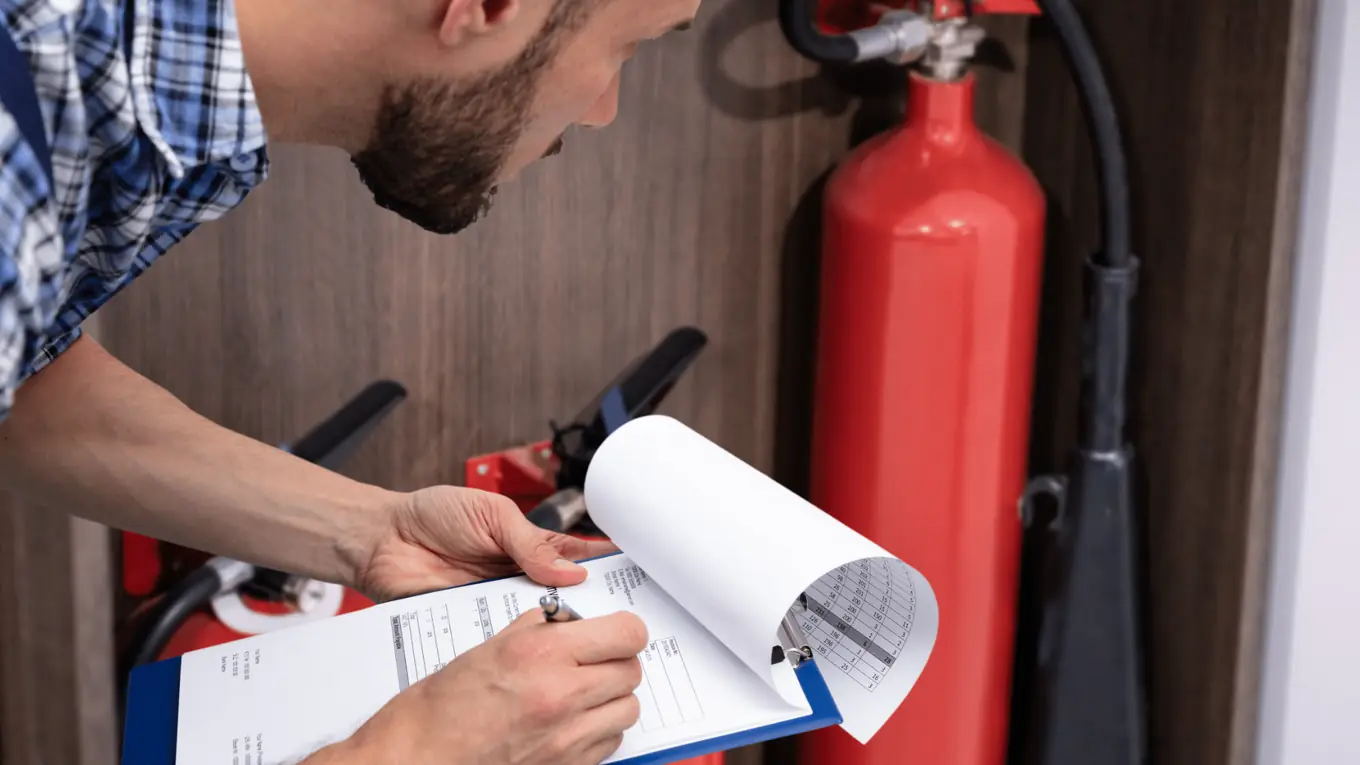
Winter is also hard on https://frontrangemaintenanceinsights474.theglensecret.com/planning-fire-protection-denver-metro-projects-what-can-change-scope-before-design-and-installation-begin-1 scheduling. Snow, holiday staffing, and urgent service calls can compress vendor availability. That is one reason I prefer using late fall to line up the first quarter. If you wait until January to call for annual planning, the calendar may already be working against you.
Spring is when calendars get honest
By spring, the hidden effects of winter start showing up. Trouble signals that were “probably weather-related” need to be resolved, not explained away. Valve rooms can be rechecked without battling ice. Exterior devices and riser rooms are easier to access. If your property delayed corrective work during winter, spring is the best time to close the gap.
This is also a strong season to review fire alarm detectors and panels Denver facilities have spread across tenant suites, common areas, and back-of-house spaces. Device access tends to be easier before summer projects start and before office occupancy shifts around vacation schedules. If your team has had nuisance troubles or recurring supervisory issues, spring gives you a practical window to sort them out before heat, dust, and renovation season begin generating fresh problems.
Denver’s local amendments matter here as well, especially if your building has had recurring unintentional fire alarm activations. Fire alarm false alarms Denver code officials deal with are not just an annoyance. Repeated false alarms can trigger stronger scrutiny, and local code provisions address problematic systems and repair or replacement when repeat issues continue. Some false alarm responses may also involve reimbursement. Facility managers who treat repeated nuisance alarms as harmless often regret it. Once a building develops a reputation for avoidable alarms, patience thins quickly among tenants, responders, and owners.
Spring is also a smart time to confirm your monitoring pathway and documentation. In some Denver applications, alarm or emergency communication devices must transmit to a central station, a commercial monitoring service, or a continuously staffed monitoring service, depending on the system and occupancy. If you have fire alarm monitoring Aurora CO service on one building and a different arrangement elsewhere in your portfolio, do not assume they are interchangeable. Verify what is required for that site and make sure records are current.
Summer brings access, projects, and accidental chaos
Summer is when a lot of buildings become easier to work in and harder to coordinate. Schools are under renovation. Offices are shifting furniture. Warehouses are changing rack layouts. Restaurants are deep-cleaning kitchens. Mechanical projects stir up dust. Every one of those conditions can affect inspections or trigger alarms.
This is often the best season for annual and larger-scope work because weather is less of a factor and many concealed or hard-to-reach spaces are easier to access. At the same time, summer creates false confidence. People assume the systems are fine because conditions are easy. Then someone bags a detector during construction and forgets to remove it, or a contractor disables a device and fails to report it, or a valve is closed for a tenant project and not restored properly. Those are not dramatic failures. They are ordinary coordination errors, and they happen constantly.
For that reason, I like summer as the season for deeper documentation review. Look at impairment procedures, test records, open deficiencies, and communication practices. If your vendors perform an NFPA 25 inspection Colorado property owners need and note deficiencies, do not file the report and move on. Review each finding against actual risk. A deficiency in an empty storage room is not the same as a deficiency in a health care waiting area, a commercial kitchen, or a data room.
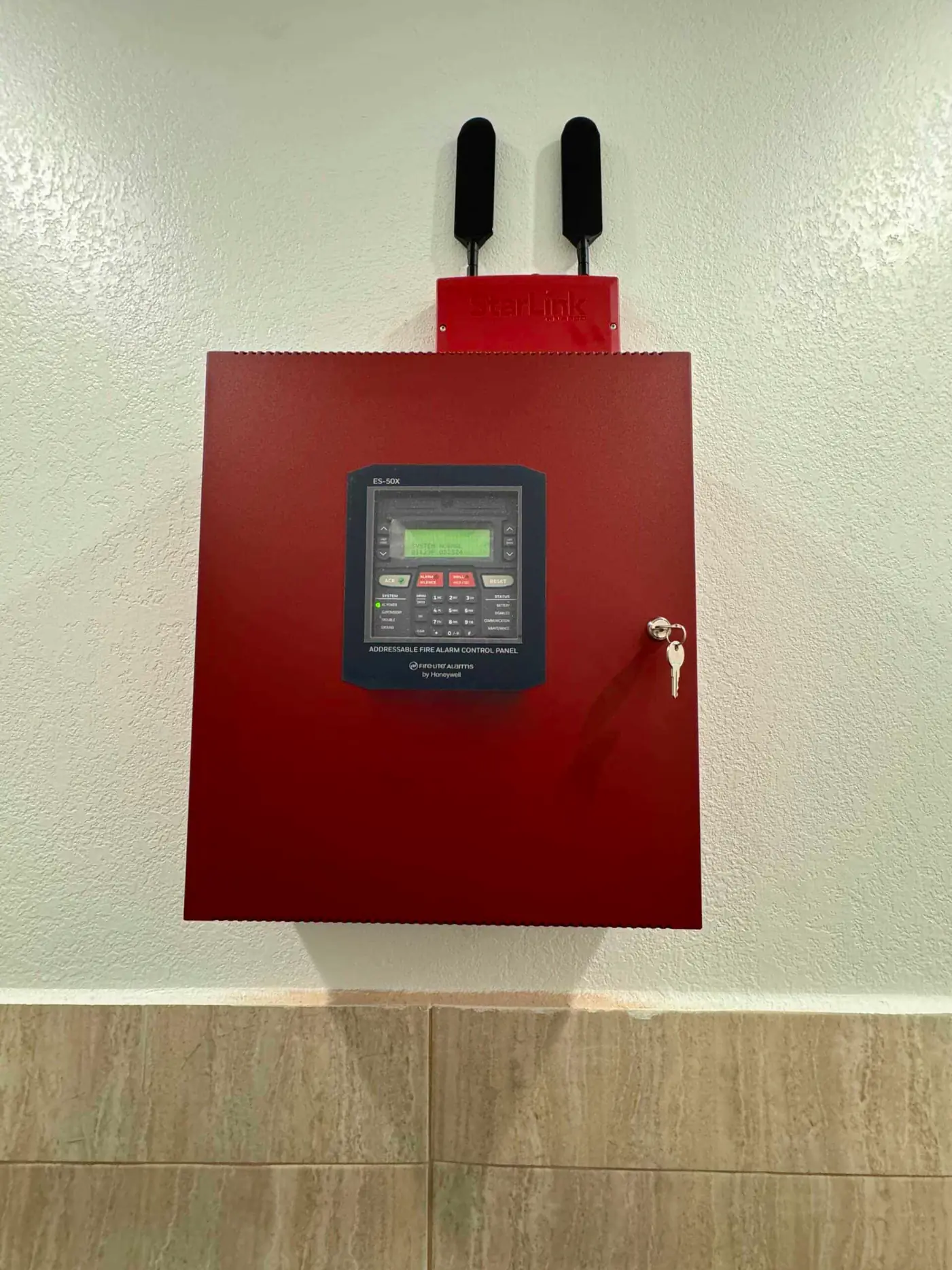
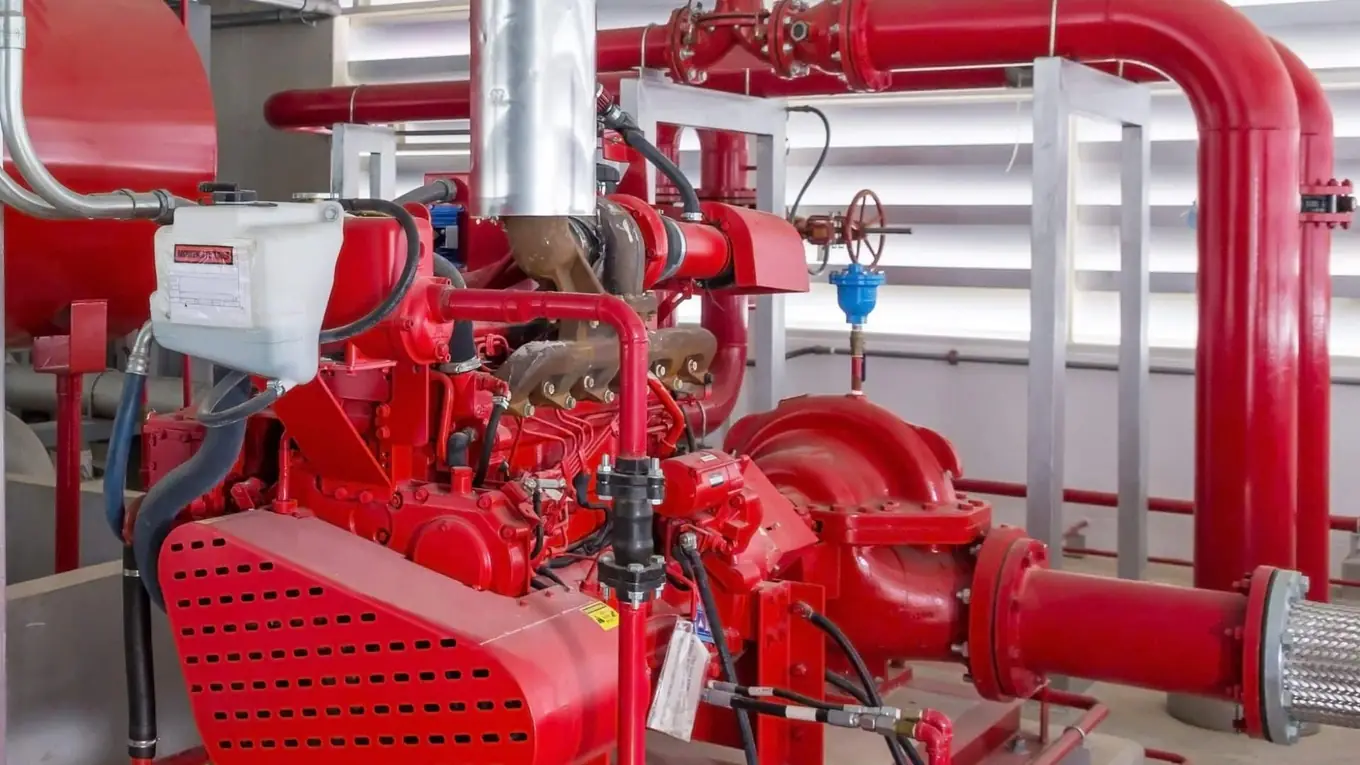
Summer is also a natural time to inspect specialty suppression systems if your operations allow easier access then. A restaurant or institutional food service operation should not leave commercial kitchen fire suppression Denver service planning to chance. Coordinate with kitchen managers so hood work, alarm interfaces, and any operational shutdowns happen during lower-impact windows. The same logic applies to clean agent fire suppression Colorado facilities may use in IT or special hazard spaces. Those systems are often tied to room conditions, alarm interfaces, and occupancy coordination, so testing and maintenance deserve a calm schedule, not an emergency slot squeezed between other projects.
Fall is the season that separates organized buildings from reactive ones
If you only improve one part of your annual process, improve the fall planning cycle. Fall is when smart facility managers prepare for winter, lock in first-quarter service dates, and clear out seasonal vulnerabilities before freezing temperatures expose them.
This is the moment to review any unheated spaces, dry system areas, roof structures, loading docks, and remote riser rooms. If freeze protection relies on heat trace, enclosure integrity, or space heating, verify those conditions operationally rather than assuming they remain as designed. Buildings change. Louvers get left open. Insulation gets damaged. Portable heaters come and go. The line between “protected” and “at risk” can be one faulty thermostat.
Fall is also a good time to confirm what your local authority wants for documentation, especially if you anticipate tenant turnover, new occupancy permits, or project closeout. Requests for fire system certification Denver managers often receive can come at awkward times, and they usually expose recordkeeping gaps more than system defects. A certification request during a lease event is much easier to handle if your annual reports, corrective actions, and monitoring records are already organized.
When I walk into a building in October and the manager can immediately produce the latest sprinkler reports, alarm test results, corrective work documentation, and monitoring contacts, I know the winter is likely to go smoothly. When those records live in five email chains and two file cabinets, winter will probably be educational.
Scheduling around authorities, tenants, and permits
One of the least appreciated parts of fire protection scheduling is the human calendar around the technical one. The standards may set minimum frequencies, but your actual success depends on who needs to be informed, who needs access, and whether any part of the work requires authority review or a permit.
Denver’s code adoption includes local amendments, and Colorado jurisdictions can have their own processes. That means a fire safety inspection Lakewood CO property manager deals with may not unfold exactly like a Denver inspection, even if the system types are similar. The same holds true for projects involving hazardous materials or regulated fire safety work, where local fire authorities may require permits and inspections. If your property includes those operational elements, scheduling should account for authority lead time, not just contractor availability.
Tenant communication matters just as much. Annual testing in a fully occupied office tower needs a different notice plan than testing in a small industrial building. Medical tenants, schools, kitchens, and 24-hour operations may need after-hours scheduling or phased access. Every facility manager knows this in theory. The practical difference is whether the notice goes out two weeks early with clear expectations, or the day before with an apology.
A calendar that works in the real world
You do not need a complicated software platform to run this well, but you do need one source of truth. Whether you use a CMMS, a spreadsheet, or a shared compliance calendar, the system should show frequency, vendor, authority touchpoints, access constraints, and corrective action status.
The records worth tracking every time are straightforward:
- Last completed inspection or test date
- Required next interval based on the applicable standard or local requirement
- Deficiencies found and who owns the repair
- Any impairment, outage, or monitoring change tied to the work
- Reports and certifications filed in a location your team can actually access
That last point matters more than people expect. During staff turnover, a good filing habit is often the difference between calm compliance and frantic reconstruction.
When recurring problems tell you the schedule is wrong
Sometimes the issue is not the system. It is the schedule. If the same alarm circuit keeps showing trouble after tenant renovations, your testing may be landing too late in the project cycle. If a dry system sees winter issues every year, your fall checks may be too light or too late. If false alarms keep happening during dust-producing work, your contractor communication process is not matching field conditions.
I have seen buildings repeatedly blame old equipment when the real issue was timing. Annual fire alarm tests scheduled in the middle of major summer fit-outs. Sprinkler inspections booked after the first hard freeze. Kitchen suppression service planned during peak holiday production. None of those choices are technical errors on paper. All of them are operational mistakes.
Repeated fire alarm false alarms Denver managers battle often come from that kind of mismatch. The panel may be functioning exactly as it should. The building is the part behaving badly. Construction dust, unmanaged steam, covered detectors, poor housekeeping, and recurring device contamination can create a false picture of a “bad system” when the root cause is use and timing. That is why scheduling should sit inside operations planning, not off to the side of it.
Specialty spaces deserve their own strategy
Some buildings can get by with a fairly standard annual pattern. Others cannot. Data centers, telecom rooms, laboratories, commercial kitchens, and cold-exposed loading areas all deserve a more deliberate approach.
If you have clean agent fire suppression Colorado spaces in your building, tie inspection and testing planning to room integrity changes, access restrictions, and any alarm interface updates. If you have a commercial kitchen fire suppression Denver operation, align service windows with hood cleaning, kitchen shutdowns, and alarm company coordination when system interfaces are involved. If you have a pre action sprinkler system Denver owners rely on to reduce accidental water discharge risk in sensitive environments, do not bury that system inside a generic sprinkler calendar. Its purpose and consequences are too specific.
Even within one property, different systems can justify different service partners, different access windows, and different notice procedures. That is not inefficiency. It is good risk management.
What a strong year looks like
A well-run year usually feels uneventful. That is the goal. Quarterly and annual work happens on time. Reports are reviewed promptly. Deficiencies are categorized by urgency and repaired before they become habits. Monitoring contacts are current. Tenants know when testing is coming. Winter does not reveal surprises because fall already dealt with them.
The systems themselves still need expert inspection and testing under the applicable standards, of course. Nothing in a calendar replaces qualified service work. But a strong facility manager changes the quality of that work by creating the right conditions for it. Better access leads to better testing. Better records lead to faster corrections. Better seasonal planning reduces emergency calls.
And perhaps most important, good scheduling keeps small issues from becoming reputation issues. That matters with owners, with tenants, and with local authorities. Whether you are coordinating NFPA 72 fire alarm testing Denver offices require, confirming fire alarm monitoring Aurora CO arrangements, preparing for a fire safety inspection Lakewood CO properties need, or managing an NFPA 25 inspection Colorado facilities depend on, the pattern is the same. Plan by interval, adjust by season, verify local expectations, and close deficiencies while they are still ordinary.
That is the whole game. Not perfection, just disciplined follow-through across the year.